

Blog, Latest News
Window Frosting vs Tinting: Which Is Right for Your NZ Office?
Jul
Glass is a brilliant feature in a modern office. It lets natural light flow through the space, keeps things feeling open and helps create a clean, professional look.
The tricky part? Privacy.
Whether you have meeting rooms, boardrooms, street-facing windows or glass office partitions, there comes a point where clear glass feels a little too clear. That is where window frosting and window tinting come in.
Both can improve the look and feel of your office, but they do very different jobs. So, if you are weighing up window frosting vs tinting for your NZ office, here is what you need to know.
What Is Window Frosting?
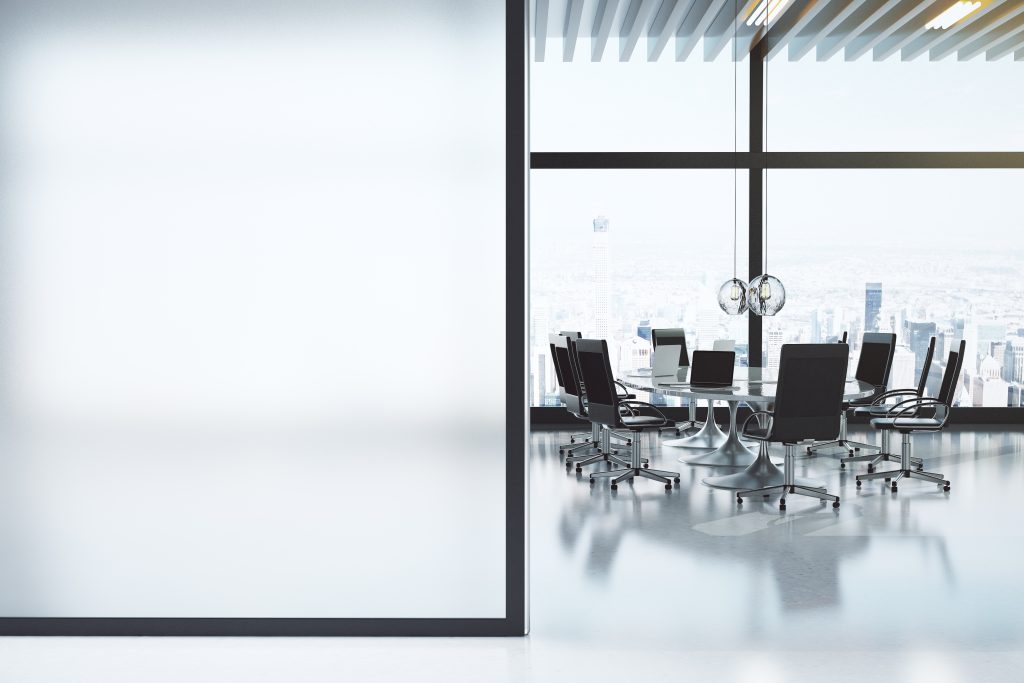
Window frosting is a privacy window film that gives glass a soft, etched-glass appearance. It blurs the view through the glass while still allowing natural light to pass through.
This makes it a great option for offices that want privacy without making the space feel dark or closed in.
Frosted window film is often used on:
- Meeting room glass
- Office partitions
- Reception areas
- Street-facing windows
- Clinic rooms
- School offices
- Bathrooms and changing areas
- Shared workspaces
It can be applied as a full panel, a partial strip, a pattern, or a custom branded design. That means it does not just solve a privacy issue. It can also become part of your office design.
What Is Window Tinting?
Window tinting is a darker or reflective film applied to glass. It is often used to reduce glare, manage heat and create a more shaded interior.
For some offices, tinting can be useful. If your workspace gets harsh afternoon sun or screen glare, tint may help make the room more comfortable.
Tinting is often used for:
- Exterior office windows
- Shopfronts
- Vehicle windows
- Sun-facing workspaces
- Areas affected by glare or heat
It can also add daytime privacy, especially when the outside is brighter than the inside.
The important word there is daytime.
The Big Privacy Difference: Day and Night
This is where the choice becomes much clearer.
Tinted or reflective window film works best when the outside is brighter than the inside. During the day, this can make it harder for people outside to see in.
At night, the effect can change. Once the lights are on inside the office and it is darker outside, people may be able to see in more easily.
That is not ideal for offices that need reliable privacy after hours, especially if staff are working late or if sensitive information is visible through meeting room glass.
Frosted window film works differently. It obscures the view through the glass regardless of whether it is day or night. The light can still come through, but the detail is blurred.
For privacy, frosting is usually the more dependable choice.
When Window Frosting Is the Better Choice
Window frosting is best when privacy is the main goal.
If your meeting room sits beside a busy hallway, frosting can stop people from looking straight in while still keeping the space light and open.
If your office is street-facing, frosting can help create a more comfortable working environment without blocking natural light.
If you have glass partitions, frosting can help separate spaces without losing that modern, open-plan feel.
It is also a great choice when you want the film to look intentional. Frosting has a clean, professional finish that works well in offices, clinics, salons, studios and commercial spaces.
The best part is that it can be customised. You can use simple frosted panels, subtle bands, geometric patterns, cut-out designs, or your logo worked into the film.
When Window Tinting Is the Better Choice
Tinting is best when glare, heat or sun control are the main concerns.
If your office gets strong sun throughout the day, tinting may help make the space more comfortable. It can reduce brightness on computer screens and create a cooler, more shaded feel.
Tinting can also suit exterior glass where you want a darker or more reflective appearance.
However, tinting is not always the right answer for privacy. It may help during the day, but it should not be relied on as a complete privacy solution, especially after dark.
For offices that need privacy at all hours, frosting is usually the safer option.
Which Looks Better in an Office?
This depends on the style of your space.
Frosted window film gives a soft, clean and professional look. It suits most office interiors because it does not dominate the room. It feels subtle, modern and tidy.
Tinting creates a darker, sleeker look. It can work well on exterior windows or spaces where sun control is a bigger issue, but it may make some interiors feel heavier or more enclosed.
For most NZ offices, frosting tends to be the more flexible design choice. It works with different colours, layouts and branding styles, and it can be used in small or large amounts.
A frosted strip across a meeting room can be enough to create privacy at seated eye level. A full frosted panel can provide stronger privacy for clinics, consultation rooms or staff areas. A branded frosting design can turn plain glass into something that feels polished and custom-made.
Can Frosted Window Film Include Branding?
Absolutely.
This is one of the biggest advantages of frosted window film for offices. It can do more than cover glass. It can reinforce your brand.
Your logo, tagline, pattern or graphic style can be cut into the film or designed as part of the layout. This creates privacy while keeping the space looking professional and considered.
For example, a law firm may prefer a simple frosted band with a clean logo. A creative agency may choose a bold pattern. A clinic may want something soft and calming. A school office may use a design that feels friendly and welcoming.
At Grafix Art, we can create custom window frosting that suits your space, your brand and the level of privacy you need.
What About Natural Light?
One of the biggest worries with privacy solutions is losing light.
Nobody wants an office that feels boxed in or gloomy.
Frosted window film is a great option because it diffuses light rather than blocking it completely. You still get a bright space, but with less visibility through the glass.
Tinting can reduce brightness more noticeably, depending on how dark the film is. That can be useful in very sunny areas, but it may not be ideal for internal glass partitions or spaces that already struggle with natural light.
If keeping your office bright is important, frosting is often the better fit.
Frosting vs Tinting: A Simple Comparison
Choose window frosting if you want:
- Reliable day and night privacy
- A light, bright office feel
- A clean professional finish
- Privacy for meeting rooms or glass partitions
- Custom branding or decorative designs
- A softer alternative to blinds or curtains
Choose window tinting if you want:
- Reduced glare
- A darker glass appearance
- Help with harsh sunlight
- Daytime privacy on exterior windows
- A more shaded interior feel
Both options have their place. The right choice depends on what problem you are trying to solve.
Which Is Right for Your NZ Office?
If your main issue is sun, glare or heat, tinting may be worth considering.
If your main issue is privacy, frosting is usually the better choice.
For most NZ offices, frosted window film offers the best balance. It gives privacy without making the space feel dark. It works during the day and at night. It can be customised to suit your brand. It also helps turn plain glass into a finished design feature.
Whether you need a simple frosted strip across a meeting room or a full custom privacy window film design for your office, Grafix Art can help create a solution that feels practical, polished and right for your space.
